Loading...
Serving Moline, IL and surrounding areas. (309) 581-0445
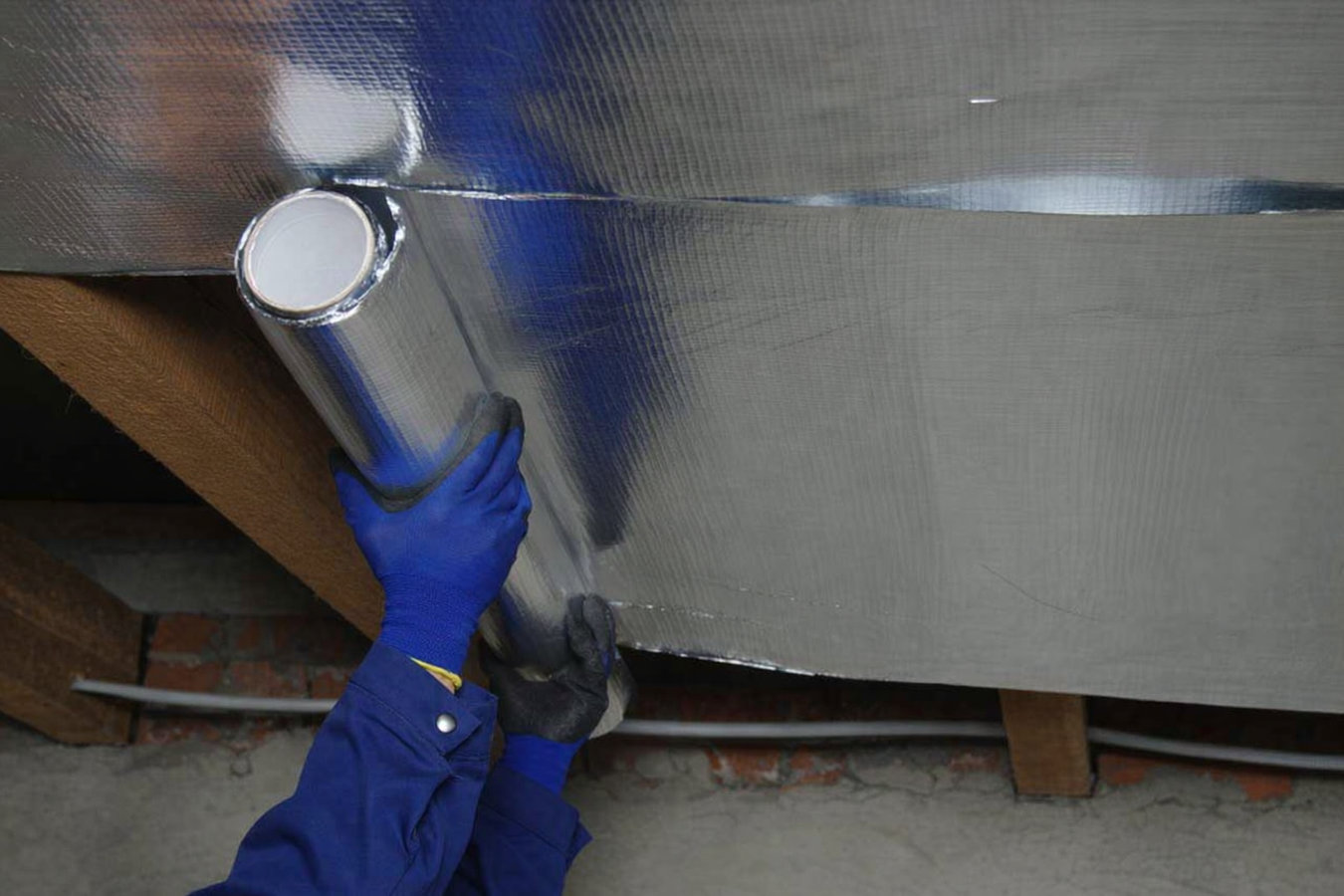
Ground moisture rising through your crawl space or basement is one of the most common - and most overlooked - threats to an older Moline home. A properly installed vapor barrier seals that path off for good.
Vapor barrier installation in Moline, IL involves rolling out heavy sheets of plastic across the floor of your crawl space or basement, overlapping the edges and taping every seam so moisture from the ground has no path into your home - most jobs take one day. The edges are run up the foundation walls and secured so the entire surface is covered. Think of it as a raincoat for the floor of your house: it blocks dampness from seeping up through the soil and into your living space.
Moline's freeze-thaw cycles through late fall and early spring push moisture repeatedly through the soil and into crawl spaces and basements. A significant share of Moline's residential neighborhoods were built before vapor barriers were standard practice. Homes from that era - common in areas like South Moline and neighborhoods near downtown - may have crawl spaces that have never had any moisture protection installed. Pairing a vapor barrier with proper attic air sealing creates a more complete moisture and energy envelope across your entire home.
The Building Science Corporation notes that the quality of installation matters as much as the material - sealed seams, wall coverage, and appropriate thickness are what separate a barrier that actually works from one that lets moisture through at every gap.
If the floors in your first-floor rooms feel noticeably cold underfoot during Moline's winters - even with the heat running - moisture from below may be pulling warmth out of your floor system. This is especially common in older Moline homes with unprotected crawl spaces, where cold, damp air sits directly under your living space. It is one of the most common complaints homeowners describe before they discover their crawl space has no moisture protection.
A persistent musty or earthy smell in your basement or on your first floor - one that intensifies after Moline's spring snowmelt or heavy rains - is a strong sign that moisture is getting in from the ground. That smell is often the first sign of mold or mildew growing in a damp crawl space. If it comes and goes with the seasons, the source is almost certainly ground moisture rather than a plumbing leak.
If you go into your basement or crawl space and see water droplets on surfaces, white chalky deposits on concrete walls, or dark staining on wood beams, moisture is already getting in. These are visible signs that the ground is releasing water into your home's structure. The longer this continues without a barrier, the more likely it is that wood rot or mold will follow.
Termites, carpenter ants, and rodents are all drawn to damp wood - and a wet, unprotected crawl space is exactly the environment they look for. If you have dealt with pest activity under your home, moisture is likely part of the reason. Addressing the moisture with a vapor barrier makes your crawl space less hospitable to pests and protects the wood framing that holds your home up.
We install vapor barriers in crawl spaces and unfinished basements, using heavy-duty material and careful seaming to create a continuous barrier with no exposed soil patches. Every project starts with an on-site assessment - we look at what is currently in place, check for standing water, mold, or damaged wood, and walk you through what we found before any work is agreed to. If there are moisture issues that need to be resolved first, we tell you clearly and will not proceed until the underlying problem is addressed.
Some Moline homes need more than a ground-floor barrier - particularly those with persistent humidity in the crawl space or significant energy loss through the floor system. In those cases, we explain the options honestly, including whether a more complete approach like full encapsulation or combined barrier-and-insulation installation makes sense. We also handle the related service of crawl space vapor barrier work for clients who have specifically heard that term from a home inspector or another contractor.
Best for most Moline homes - heavy sheeting sealed across the entire crawl space floor, with overlapping seams and wall coverage.
Suited for unfinished basements with dirt or exposed concrete floors where ground moisture is actively getting in.
For homes with visible dampness, odors, or a history of water intrusion - we inspect before any material goes down.
Ideal for homeowners who want moisture protection and thermal performance addressed in a single project visit.
Moline's location directly along the Mississippi River means the water table in many parts of the city sits higher than it would in an inland community. After heavy rain or spring snowmelt - which happens reliably every year in the Quad Cities - that water table can rise quickly and push moisture upward through the soil and into crawl spaces. Moline also has clay-heavy soil that does not drain quickly after storms, meaning the ground under your home stays wet long after the rain stops. For homeowners in lower-lying neighborhoods near the river, vapor barrier installation is less a precaution than a practical necessity.
A significant share of Moline's homes were built before 1960, when vapor barriers were not a standard part of residential construction. Many of these homes in neighborhoods across the city have crawl spaces or basements that have never had any moisture protection installed - or have decades-old materials that have long since degraded. We regularly work with homeowners throughout the Quad Cities, including in Davenport and Bettendorf, where the same river-corridor soil conditions create identical challenges for older homes.
We ask a few quick questions - whether you have a crawl space or basement, any symptoms you have noticed like odors or cold floors, and whether anyone has looked at the space recently. We reply within one business day and schedule a free estimate with no obligation. You will never be pressured to commit before you are ready.
We access the crawl space or basement and look at the current condition - whether there is any existing barrier, signs of standing water, mold, or damaged wood, and how much area needs to be covered. This is when we identify any prep work that needs to happen before the barrier goes in. You get a written estimate before any work is agreed to.
The crew rolls out the barrier material across the floor in overlapping sections, taping every seam and running edges up the foundation walls so moisture cannot sneak in around the perimeter. You do not need to leave your home - the work happens entirely in the crawl space or basement. Most Moline homes are completed in a single day.
Before leaving, we walk you through what was installed, point out anything we noticed during the job, and answer your questions. There is no curing or drying period - the protection starts immediately. We let you know what to watch for after the first heavy rain or spring thaw to confirm the barrier is doing its job.
Free estimate, no obligation. We reply within one business day and give you a written quote you can compare before deciding anything.
(309) 581-0445Moline's clay-heavy soil, proximity to the Mississippi River, and housing stock built largely before 1960 create a specific set of moisture challenges that a national franchise will not know. We have assessed crawl spaces and basements across the Quad Cities and understand how seasonal water table changes and clay soil retention affect homes in this area.
We inspect the space before recommending a solution. If there is standing water, active mold, or damaged wood that needs to be addressed first, we tell you - and we do not install a barrier over an unresolved problem. You get a clear picture of what your crawl space actually needs, not a sales pitch.
A properly installed heavy-duty vapor barrier with sealed seams and full wall coverage can last 15 to 20 years or more. We use material thick enough to resist punctures and take the time to tape every seam and secure every edge. A barrier is only as good as its weakest point.
For a standard vapor barrier installation in Moline, a permit is typically not required. For projects that cross into encapsulation or include changes to insulation or ventilation, we know when a permit applies and handle the process for you. The EPA recommends addressing moisture at the source - which means resolving drainage and barrier issues before considering mold remediation or structural repairs.
We are a local business serving Moline and the surrounding Quad Cities. Every vapor barrier project we complete is backed by a thorough inspection, clear communication, and work that is built to last through Moline's demanding seasonal conditions.
Air sealing for attic penetrations and bypasses to reduce heat loss and prevent warm air from escaping your home's thermal envelope.
Learn MoreTargeted vapor barrier installation specifically for crawl space floors, including pre-installation moisture assessment and heavy-duty seaming.
Learn MoreMoline's wet springs and clay soil mean ground moisture is a year-round pressure on older homes. Getting your crawl space or basement protected now prevents the kind of structural damage that costs far more to fix later.