Loading...
Serving Moline, IL and surrounding areas. (309) 581-0445
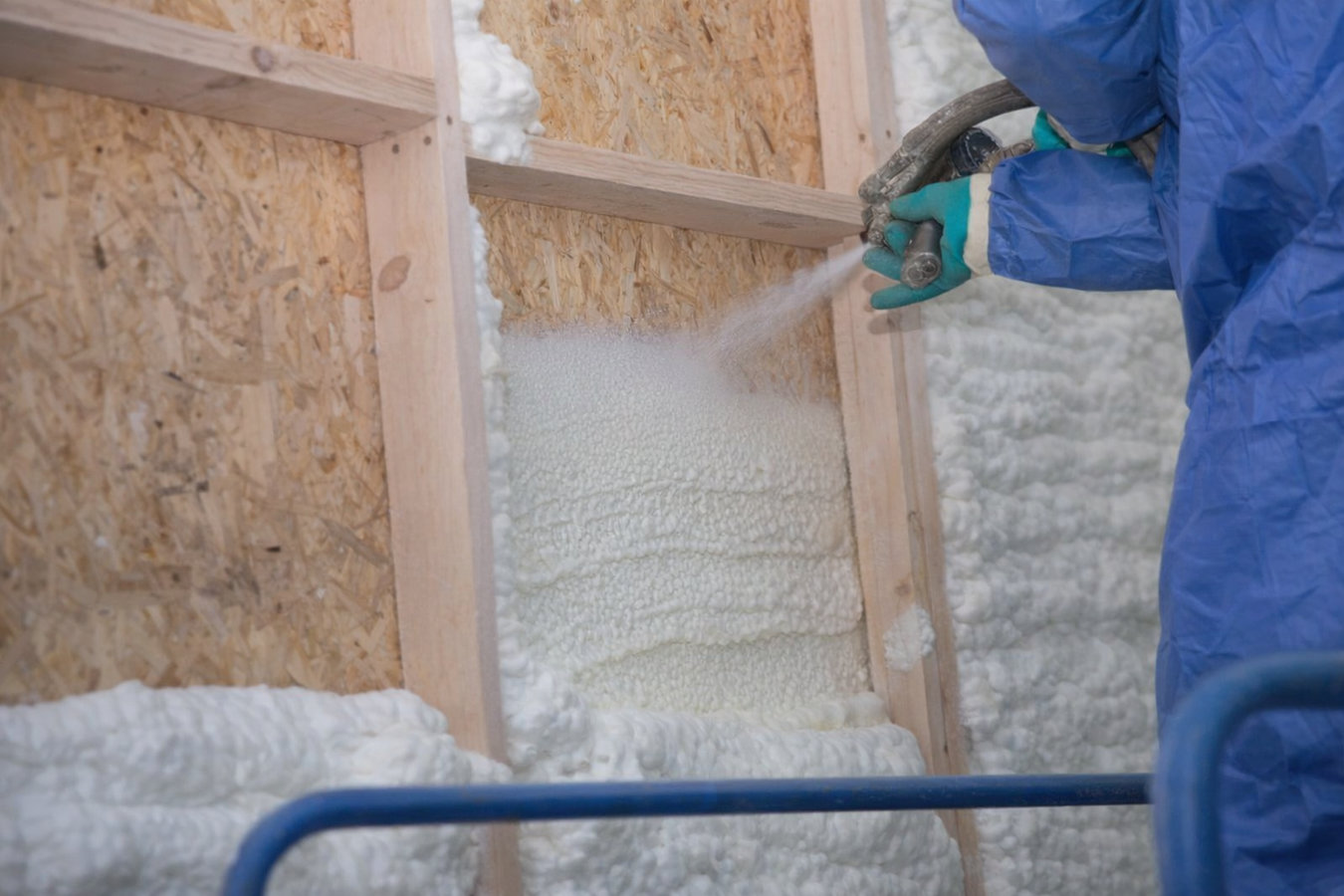
You do not need to tear out walls to upgrade your home's insulation. Retrofit methods add coverage to attics, walls, and crawl spaces through small access points - with minimal disruption and real results.
Retrofit insulation in Moline, IL means adding insulation to a home that is already built - without a major renovation - using blown-in material for attics and dense-pack or injection foam for walls, and most attic jobs are completed in a single day. The work is done through small access points: the attic hatch, or small holes drilled in the exterior or interior wall surface that are patched and painted after the material is injected. Most homeowners are surprised by how little disruption is involved.
A large share of Moline homes were built before the 1980s, when insulation standards were minimal or nonexistent. Attic insulation from that era has typically settled and compressed over decades, losing much of its effectiveness. Exterior walls in older Moline homes were often built with empty or near-empty cavities. Both problems are correctable without tearing anything apart. A thorough retrofit project addresses both air leakage and insulation depth - because sealing gaps and adding coverage work together, not separately.
Retrofit insulation and home insulation often overlap in scope. For homeowners who are unsure where to start, the ENERGY STAR program recommends sealing and insulating as a combined first step - not two separate projects - because the two improvements reinforce each other.
If your gas bill climbs sharply each November and stays high through March, your home may be losing heat faster than your furnace can replace it. Moline's heating season runs October through April, and even a modest insulation gap compounds into significant annual costs. If your bills have been creeping up year over year without a change in habits or utility rates, under-insulation is one of the first things worth checking.
If certain rooms - especially those on exterior corners, above the garage, or at the ends of hallways - stay noticeably colder in winter, that is a sign those areas are not holding heat well. In Moline's pre-1980 homes, exterior walls were often built with little or no insulation. The difference between an insulated and uninsulated wall is something you can feel on a cold January day.
If you can safely look into your attic and see the tops of the floor joists, you almost certainly do not have enough insulation. Older pink or gray batt insulation common in pre-1980 Moline homes compresses over time and loses much of its effectiveness. A well-insulated attic should have a thick, even layer of material that completely covers the joists.
Ridges of ice building up along your roofline or icicles forming at the eaves during Moline cold snaps are a clear sign of heat escaping through an under-insulated attic. The escaping heat warms the roof deck, melts snow, and the water refreezes at the cold eaves - causing ice dams that can damage your roof and gutters. Proper insulation underneath is the long-term solution.
We cover all three primary retrofit areas - attic, walls, and crawl spaces or basements - and we always start with an in-home assessment before quoting. For attics, we blow loose-fill material in through the attic hatch, building up to the depth your home needs for the Moline climate. For walls, we drill small holes - roughly the size of a golf ball - inject dense-pack or injection foam into the wall cavity, then patch and paint. For crawl spaces, we add insulation to the floor system or foundation walls depending on the space configuration.
We always address air sealing before adding insulation, because adding material on top of gaps does not stop air movement. The best retrofit jobs combine both steps, and we include sealing as part of every attic project. For homes where moisture is a factor, spray foam insulation can serve as both an air barrier and insulation layer in a single application - and we will recommend it when it is the right fit for your home, not as a default upsell. The North American Insulation Manufacturers Association notes that quality insulation installed correctly can last 20 to 80 years with essentially no maintenance - making retrofit insulation one of the highest long-term-value improvements available for an older Moline home.
Best for most Moline homes with accessible attics - loose-fill material added to the correct depth in a single day.
Ideal for older Moline homes with empty or under-insulated exterior wall cavities - small access holes, clean patches, no major renovation.
For homeowners with cold floors and an unheated crawl space - insulation added to the floor system or foundation walls to reduce heat loss below grade.
Covers attic, walls, and crawl space in a coordinated project - the most complete improvement for older Moline homes with multiple under-insulated areas.
Moline's housing stock skews older. The median year homes were built in Moline is around 1955, and a large portion of residential neighborhoods - including older areas near downtown and the Overlook district on the south side - feature homes from the 1920s through 1950s. These homes were built in an era when insulation was minimal by design and energy efficiency was not a consideration. Decades of settling, renovation, and added utilities have added air leakage on top of thin insulation. Add a climate where heating season runs six months and temperatures can hit the single digits, and the case for retrofit insulation is straightforward: your home is working against itself every winter.
Moline's mix of brick and wood-frame construction also means retrofit approach matters. Brick exterior walls require a different insulation strategy than wood-framed walls, and some older homes have balloon-frame construction where wall cavities run from basement to attic without breaks - requiring extra care to insulate safely. We work across the Quad Cities and are familiar with the construction types common in Moline, including in neighboring Rock Island and East Moline. The assessment we do before any work starts is how we make sure the right approach is used for your specific home.
We ask a few basic questions about your home - age, size, and what has been prompting your concern, such as high bills, cold rooms, or visible insulation issues. This helps us come prepared with the right equipment. We reply within one business day and schedule a free in-home assessment at a time that works for you.
We walk through your home and look at the attic, exterior walls, and crawl space or basement. We check how much insulation is already there, whether air sealing is needed first, and whether there are moisture or ventilation issues to address before adding material. This visit typically takes one to two hours and is free - and it is the basis for a written estimate that reflects your actual home.
We explain what areas will be treated, what approach will be used, and the total cost. This is the right time to ask about MidAmerican Energy rebates and the federal tax credit so you know your real out-of-pocket cost before you commit. We answer clearly - no pressure, no commitment required at this stage.
The crew arrives and works through the day. Attic work uses blowing equipment staged outside - you will hear it, but the mess stays contained. Wall insulation involves drilling in short bursts, injecting material, and patching holes before leaving. Before the crew goes, we walk you through the finished work, explain what was done, and provide documentation you may need for rebate applications or tax filings.
Free in-home estimate, no obligation. We assess before we quote and reply within one business day.
(309) 581-0445Brick bungalows, wood-frame Foursquares, balloon-frame two-stories - Moline's older neighborhoods have a specific mix of construction types that affects how retrofit insulation gets done. We have worked on all of them across the Quad Cities and know what to look for during the assessment so the approach matches the home.
A contractor who adds insulation without sealing air leaks first leaves most of the energy savings on the table. We seal before we insulate on every attic project - it is not an optional add-on. If air sealing is needed in walls or crawl spaces, we tell you upfront and include it in the scope.
MidAmerican Energy serves most of Moline and offers rebates for qualifying insulation improvements. We walk you through what is available before you commit so you know your real out-of-pocket cost upfront. The Building Performance Institute sets the home performance standards most rebate programs reference - and we work to those standards on every project.
We do not quote retrofit insulation over the phone or from a photo. Every estimate starts with someone walking through your home and checking each area that might be treated. The price you get reflects what your home actually needs - not a package that changes once work begins. No surprises on cost or scope.
Every retrofit insulation project we complete starts with an honest in-home assessment and ends with clean documentation for any rebate or tax credit applications. We are local, we know Moline's housing stock, and we stand behind the work.
Spray foam applied to attic floors, rim joists, and wall cavities - seals and insulates in a single step for Moline homes with complex air leakage.
Learn MoreFull-home insulation assessment and installation covering every area of the house - attic, walls, basement, and crawl space - in a coordinated plan.
Learn MoreMoline's heating season is long. The sooner your home is properly insulated, the sooner you stop paying for heat that is escaping through your attic and walls.