Loading...
Serving Moline, IL and surrounding areas. (309) 581-0445
Closed-cell foam does three jobs at once - it insulates, seals air leaks, and blocks moisture. For Moline homes dealing with cold winters and river-corridor humidity, it is one of the most effective upgrades you can make.
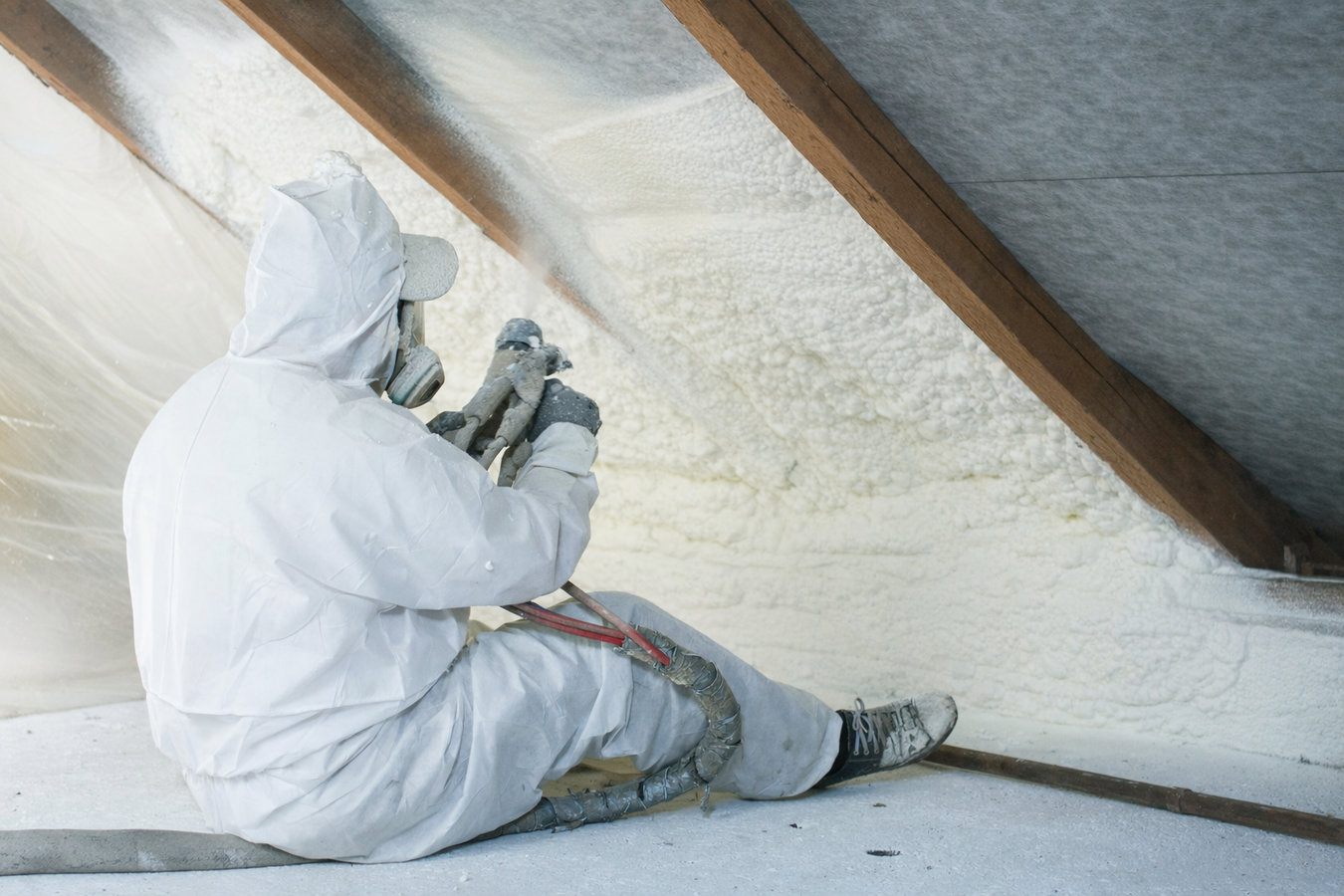
Closed-cell foam insulation in Moline, IL is sprayed on as a liquid, expands into a firm dense layer, and hardens within seconds - most jobs in a crawl space or attic take one to two days from setup to cleanup. Unlike fiberglass batts or loose-fill insulation, it seals the gaps it fills rather than just slowing heat down. It handles three problems at once: heat transfer through the material, air leaking through gaps, and moisture vapor pushing through walls or floors.
Moline sits in a climate zone where temperature swings exceed 100 degrees between summer and winter. That constant expansion and contraction opens small cracks in framing and older insulation over time - and in a city where a large share of homes predate 1970, those gaps are often bigger than homeowners realize. Closed-cell foam is one of the few materials that fills and seals in a single application. If you are comparing foam types, our open-cell foam insulation page explains the key differences and when each type makes more sense.
The Spray Polyurethane Foam Alliance maintains installation standards for spray foam contractors - a useful reference when vetting who you hire. The U.S. Environmental Protection Agency also publishes guidance on safe spray foam installation and re-entry timing.
If your gas or electric bill climbs noticeably each November and stays high until April, your home is likely losing heat faster than it should. Moline winters are long, and a home with aging or inadequate insulation has to work much harder to stay warm. This is one of the most common reasons Moline homeowners start looking into foam upgrades.
Hold your hand near an electrical outlet on an exterior wall during a cold, windy Moline day. If you feel air moving, gaps in your wall cavity are letting outside air in. This is especially common in homes built before the 1970s - which make up a significant portion of Moline's housing stock.
Moline's proximity to the Mississippi River means crawl spaces are under constant moisture pressure. If you notice a damp smell from below your floors, or water droplets forming on pipes in summer, your crawl space is not properly sealed. Left unaddressed, that moisture leads to mold and wood damage.
If your home was built before the mid-1990s and you have no record of insulation work being done, there is a good chance the original insulation has settled or was never sufficient to begin with. Moline has a large inventory of older homes, and many are still running on their original insulation.
We apply closed-cell foam to the areas where it delivers the most value: crawl spaces, rim joists, basement walls, attic roof decks, and exterior wall cavities in older homes. For Moline homes near the river, crawl space walls and rim joists are almost always the top priority - these areas face constant moisture pressure and are typically the biggest source of heat loss in an unfinished lower level. Closed-cell foam bonds directly to concrete, wood, and block surfaces, leaving no gaps for air or moisture to sneak through. For a broader look at your foam options, our spray foam insulation page covers the full range of applications we handle.
Before any foam is sprayed, we assess the space for moisture, existing damage, and access conditions. Older Moline homes sometimes have issues - like knob-and-tube wiring or prior water damage - that need to be resolved before foam can go in safely. We explain what we find in plain terms and give you a written estimate that specifies the thickness being applied, not just a lump-sum price. Every job ends with a walkthrough so you can see exactly what was done and ask any remaining questions.
Best for homes with moisture exposure below grade - seals and insulates the crawl space walls and rim joists in a single application.
Applied to the underside of the roof deck to create a conditioned attic space that keeps HVAC equipment out of the temperature extremes.
Targets the most common air-leak point in older Moline homes - the band of framing where the floor meets the foundation.
Suited for concrete or block basement walls with irregular surfaces where standard batts would leave gaps.
Moline's temperature swing - from well below zero in January to heat-index readings above 100 in July - puts more stress on a home's insulation than most homeowners realize. Building materials expand and contract with every season, and over decades that movement opens gaps in older insulation and framing. Many of Moline's neighborhoods contain homes built between the 1920s and 1960s with little or no wall insulation and with crawl spaces and attics that were never designed to meet modern energy standards. Closed-cell foam addresses both the thermal and air-sealing gaps in a single pass - which is why it is frequently the right choice for these older structures.
The Mississippi River corridor adds a moisture dimension that pushes many Moline homes toward closed-cell over other insulation types. Soil moisture levels here are consistently higher than in drier parts of Illinois, and crawl spaces face real pressure from humidity, especially in summer. Closed-cell foam is dense enough to block moisture vapor - something fiberglass and loose-fill cannot do. We serve homeowners across the region, including Davenport and Bettendorf, where the same river-corridor conditions apply to crawl spaces and basement rim joists.
We ask a few basic questions - what part of the home, how old the house is, and whether you have noticed any specific problems like drafts or moisture. We respond within 1 business day and schedule an in-home visit at a time that works for you.
A contractor visits to look at the attic, crawl space, or walls - measuring the areas and checking for moisture or access issues. You receive a written quote that specifies what areas will be treated and how thick the foam will be applied.
Clear the work area of stored items before the crew arrives - your contractor gives you a specific list. If a permit is required by Moline's building department, we handle pulling it before work starts and coordinate the inspection when the job is complete.
The crew sprays the foam, which expands and hardens within seconds. Plan to stay out of the treated area for at least 24 hours while it cures. Your contractor confirms the safe re-entry window before leaving, then walks you through the finished work.
Free assessment, no obligation. We look at your crawl space, attic, or walls, explain what we find, and give you a written quote with the thickness specified.
(309) 581-0445Closed-cell foam pricing is meaningless without knowing the thickness being applied. We give you a written quote that specifies depth, area, and material - so you can compare bids accurately and know exactly what you are getting.
Many of the homes we work in were built between the 1920s and 1960s. We know how to assess and prepare irregular surfaces, original framing, and below-grade spaces that have never been insulated before.
When a permit is required by Moline's building department - which is common for thermal envelope work - we pull it and schedule the inspection. Permitted, inspected work is on record and protects your investment when you sell.
We give you a specific safe re-entry window for your home before work starts - not a vague estimate. Planning that window in advance means no disruption surprises, and your family and pets are protected during the curing process.
Closed-cell foam is a longer-term investment than other insulation types, and we treat it that way - with a thorough assessment upfront, honest material recommendations, and work that is documented and permitted when required.
A softer, lower-density foam that works well in interior walls and upper attics where air sealing and sound dampening are the primary goals.
Learn MoreAn overview of all spray foam applications - from attic and rim joist work to crawl space encapsulation - and how to choose the right type for your home.
Learn MoreMoline's coldest months come fast - locking in your installation date now means your home is sealed and ready before the first hard freeze.