Loading...
Serving Moline, IL and surrounding areas. (309) 581-0445
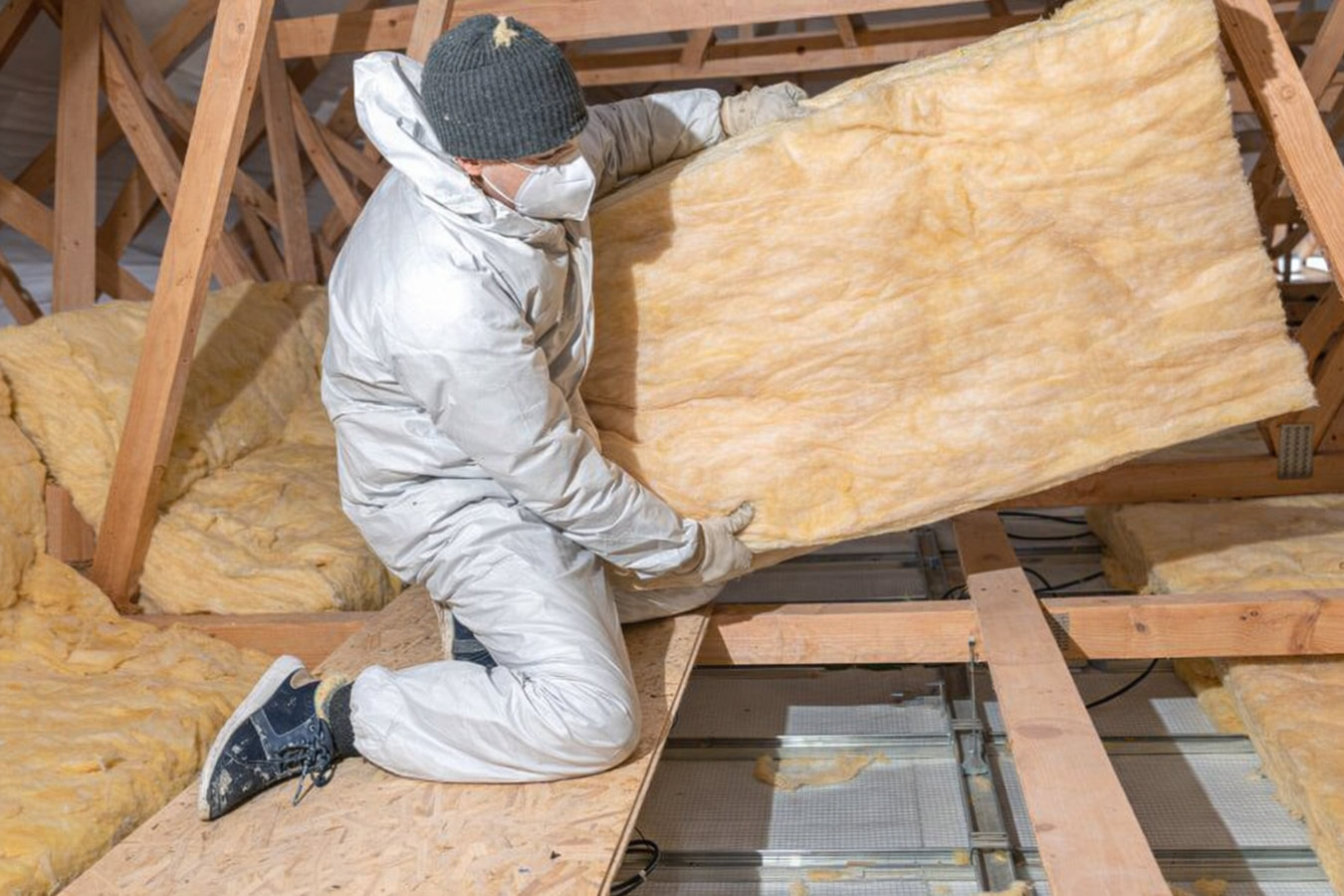
Damaged, contaminated, or worn-out insulation does more harm than good. We pull out the old material, clean the space, and get it ready for a proper new install.
Insulation removal in Moline, IL means pulling out old or damaged material from your attic, crawl space, or walls using powerful industrial vacuums and hand tools - most attic jobs take one full day, with larger or contaminated spaces running to two.
Many Moline homeowners discover they need removal when a pest problem, a roof leak, or a routine inspection reveals that the existing material has been compromised. Once insulation gets wet, hosts rodent activity, or simply reaches the end of its useful life, adding more on top is not the answer. Removal gives you a clean slate - and a clear look at what is actually happening up there - before any new work begins. If you are planning to follow removal with fresh material, our blown-in insulation service is one of the most efficient options for attics once the old material is cleared.
The U.S. Environmental Protection Agency notes that disturbed insulation - especially older materials - can release particles into the air that irritate the lungs and skin. Professional crews wear respirators and protective suits because this is not a job to handle without proper gear.
If you have heard scratching above the ceiling or found evidence of mice, the insulation almost certainly needs to go. Rodents shred material to build nests and leave behind waste that makes the insulation unsafe to leave in place. Once contaminated, the only responsible next step is full removal and replacement.
Water and insulation do not mix. Even a small roof leak can saturate attic insulation, causing it to clump, grow mold, and lose most of its ability to hold heat. Insulation that dries out after getting wet does not recover - it stays damaged and should come out before new material goes in.
In Moline's climate, where the furnace runs hard from November through March, degraded insulation shows up fast on your utility bill. If your heating costs have climbed steadily over the past year or two with no obvious cause, it is worth having someone look at the attic. Settled, compressed, or damaged insulation loses most of its effectiveness.
Many Moline homes were built in the mid-20th century and have never had their original insulation replaced. Material from that era was often installed to lower standards than what is recommended today, and after decades it has almost certainly compressed and degraded. If you do not know when your insulation was last replaced, a professional inspection is a reasonable first step.
We handle removal in attics, crawl spaces, and accessible wall cavities. The process uses industrial-grade vacuums to pull out loose-fill materials like blown-in cellulose or fiberglass, and hand tools for batt insulation that needs to be bagged and carried out. All debris is removed from your property - you will not be left with a pile of old material to deal with. After the space is cleared, we do a visual inspection for moisture damage, mold, pest entry points, and air leaks. For homeowners whose removal is part of a larger project, we coordinate with the follow-on installation so the timing lines up - whether that is crawl space insulation going back in below or blown-in insulation being added to the attic the same day or the next morning.
In older Moline homes, removal often uncovers issues that were invisible before - a gap around a plumbing stack, a soffit that was never properly air-sealed, or a section of the attic floor that is darker than the rest because moisture worked its way in at some point. Finding those things is part of the value of doing removal properly. A clean space is also easier for the crew to work in when the new insulation goes in, which means better coverage and fewer gaps.
Best for homes where the attic material has been damaged by water, rodents, or age - clears the way for a full reinstall.
Suited to homes with fallen, wet, or mold-affected batt insulation in the crawl space that cannot simply be topped up.
For homeowners doing a full insulation upgrade across multiple areas at the same time - removal and new install coordinated as one project.
Includes a post-removal walkthrough to identify moisture, pest entry points, and air sealing needs before new material goes in.
A large share of Moline homes were built between the 1920s and 1970s, when insulation materials and installation practices were very different from today. Homes from that era may contain vermiculite, older fiberglass batts, or cellulose that has been in place for 40 to 60 years. Before any removal work begins in an older Moline home, it is worth asking whether a hazardous material test is appropriate - particularly for homes with attic material that looks unusual or granular. Moline's proximity to the Mississippi River also means that crawl spaces and lower-level spaces deal with elevated humidity year-round, which accelerates the breakdown of insulation materials that were not designed to handle persistent moisture. We serve homeowners across the area, including Rock Island and East Moline, where the same older housing conditions apply.
Illinois also has specific rules around the handling and disposal of certain insulation materials. The Illinois Environmental Protection Agency oversees asbestos-related work, and a standard insulation contractor is not legally permitted to handle abatement if hazardous material is found. Knowing this upfront - and working with a contractor who will be straight with you about it - protects you from both health risks and liability.
We will ask a few basic questions - your home's age, where the insulation is located, and whether you have had any water or pest issues. We respond within 1 business day and schedule an in-person visit within a few days.
A crew member comes to your home, looks at the space, checks the type and condition of the existing material, and assesses access. In older Moline homes, we may recommend a material test before any work starts. You receive a written estimate that breaks down removal, disposal, and any additional steps.
Before the crew arrives, clear a path to the access point and move stored items away from the area. The crew seals off the space from your living areas to contain dust. Most homeowners can stay in the house, but expect loud industrial vacuums running for several hours.
The crew vacuums or hand-removes all material, bags it, and hauls it away. Once the space is clear, we do a visual inspection for moisture, mold, gaps, and pest entry points. Before we leave, we walk you through the cleared space so you can see the results yourself.
Free estimate, no obligation. We respond within 1 business day.
(309) 581-0445Moline has a lot of pre-1980 homes, and we treat each one accordingly. Before any removal begins in an older home, we assess the material type and recommend testing if there is any reason to be cautious. You will know exactly what is in your attic before a vacuum goes near it.
All old material is bagged and hauled away from your property as part of every job. You will not be left with bags piled in the garage or debris pushed into a corner. A clean, debris-free space is the standard we hold ourselves to at the end of every removal.
Once the old material is out, we check the space for moisture damage, mold, pest entry points, and unsealed gaps before we leave. Skipping this step is one of the most common ways new insulation underperforms - we do not skip it.
Before the crew leaves, we walk you through the cleared space so you can see it yourself. A reputable contractor welcomes that. The{' '}Building Performance Institute recommends a final verification with the homeowner - we do it as a standard part of every project.
Insulation removal is the kind of job that is easy to cut corners on because most of the space is out of sight. We build our reputation on doing the work right even when no one is watching - and then showing you the result before we leave.
After removal, a fresh crawl space install addresses moisture and cold-floor problems that old, failed batts were making worse.
Learn MoreBlown-in cellulose or fiberglass is one of the fastest ways to fill an attic after old material has been cleared out.
Learn MoreWith Moline winters arriving early, now is the right time to get your attic or crawl space cleared and ready for new insulation before the cold sets in.