Loading...
Serving Moline, IL and surrounding areas. (309) 581-0445
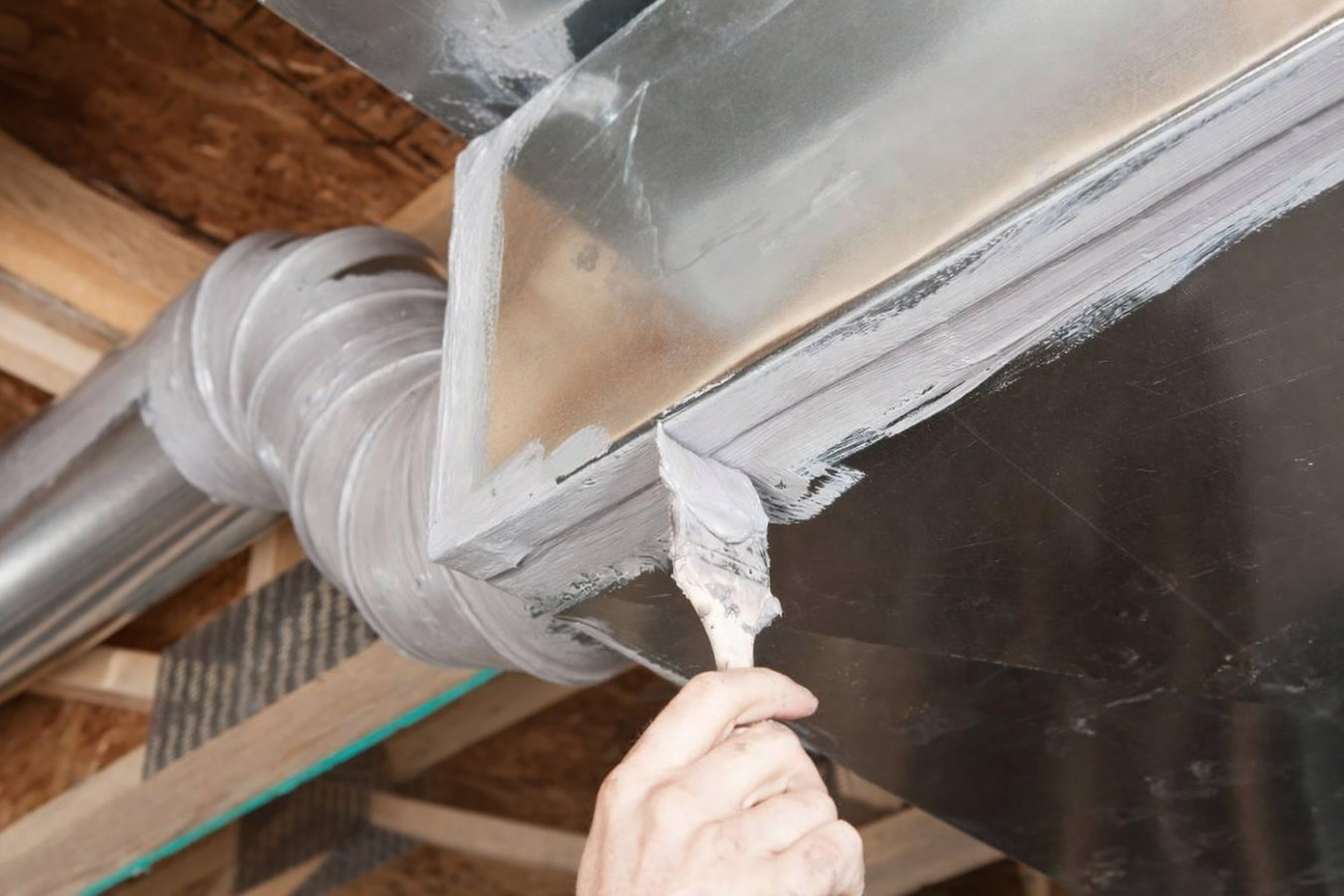
Gaps and cracks in your home's shell can cost you as much as leaving a window open all year. Air sealing finds those gaps and closes them, so the heat you pay for stays inside where it belongs.
Air sealing services in Moline, IL find and plug the small cracks, gaps, and openings where outside air sneaks into your home - work typically focuses on the attic, basement, and crawl space, and most jobs take one full day. Together these gaps can be as large as leaving a window open year-round, and they force your furnace to run longer and harder than it should, especially during a Moline winter.
Most people think of air leaks as a drafty windows problem, but the biggest culprits are usually hidden. Gaps around wiring, plumbing, and light fixtures in the attic and basement are responsible for the majority of air leakage in older Moline homes - and they are invisible until a contractor depressurizes the home with a blower door test to locate them. Adding attic air sealing alongside insulation is the most effective combination, because insulation slows heat transfer while air sealing stops air from bypassing the insulation entirely.
The ENERGY STAR program estimates homeowners can save up to 15 percent on heating and cooling costs - sometimes more - by sealing air leaks and adding insulation. For Moline homes built before modern energy standards, the savings are often on the higher end of that range.
If your gas or electric bill jumps dramatically during the coldest Moline months - more than you would expect from the weather alone - conditioned air is escaping and cold outside air is taking its place. This pattern is especially common in Moline's older neighborhoods where homes were built without modern weatherproofing.
Hold your hand near an electrical outlet or light switch on an exterior wall during a cold day. If you feel cool air, that outlet connects to a gap running straight through your wall to the outside. This is one of the most reliable and easy-to-spot signs that your home has air leakage a contractor can fix.
Gaps in your home's shell do not just let air through - they let in dust, pollen, insects, and outdoor odors. If you are finding more spiders or ants inside than you would expect, or if your home smells musty after a humid Moline summer, outside air and everything it carries is finding its way in. Air sealing addresses the root cause.
If one bedroom is always freezing in winter or one corner of your home never cools down in summer, uneven air sealing is often the reason. Outside air enters more freely in some areas than others, making your heating and cooling system fight a losing battle. It is a comfort problem as much as an energy problem.
We start with a blower door test to depressurize your home and reveal exactly where air is leaking. This takes the guesswork out of the job and ensures we seal the right spots rather than working from assumptions. We then use foam and caulk to close gaps around wiring, plumbing, light fixtures, and any other penetrations in your attic, basement, and crawl space. A second blower door test after the work confirms the improvement in measurable numbers, not just a verbal assurance. For homes where air sealing is paired with insulation upgrades, we also offer basement insulation to address heat loss from below as well as from gaps in the shell.
Most air sealing work is done in the attic and basement - areas that are accessible without disrupting your living spaces. You can typically stay home during the job, and your furniture and daily routine are rarely affected. For homes where the attic is the primary leak source, we pair air sealing with attic air sealing to ensure every ceiling penetration is addressed before any new insulation goes in on top.
Measures your home's air leakage before and after the job, so you have proof the work made a difference.
Closes the most common leak sources - wiring penetrations, plumbing stacks, light fixtures, and attic hatches.
Addresses the lower half of your home's shell, where cold air and moisture both find their way in.
The most cost-effective approach for Moline homes - sealing gaps first ensures new insulation performs at full effectiveness.
Moline sits in the Quad Cities region of western Illinois, where winter temperatures regularly drop below zero and wind chill off the Mississippi River makes it feel even colder. That kind of cold punishes any gap in your home's shell. Much of Moline's residential housing stock was built in the early-to-mid 20th century - homes from that era were built without the air barriers and insulation standards that newer construction requires. That means the gaps and leaks in these older homes tend to be more numerous and more severe, and the payoff from sealing them is correspondingly larger. Homeowners across nearby Rock Island face the same combination of older housing stock and harsh winters.
Moline's location along the Mississippi River also means the area experiences significant humidity swings - very humid in summer and very dry in winter. Without proper air sealing, humid summer air can sneak into walls and attic spaces where it condenses and leads to mold or wood rot. A contractor who understands this local dynamic will pay attention to moisture management alongside draft stopping. Homeowners in Davenport across the river encounter the same river-corridor humidity conditions. Ameren Illinois, the primary electric utility serving Moline, also offers rebates for qualifying air sealing and insulation work - ask us about documentation when you get your estimate.
We ask a few basic questions - your home's age, size, and the problems you have noticed. We respond within 1 business day and schedule a free in-home visit. You do not need to prepare anything beforehand.
A contractor walks through your attic, basement, and main living areas. Many contractors run a blower door test to measure exactly how much air is leaking and locate the worst spots. The assessment takes one to two hours.
You receive a written quote explaining what was found, what will be sealed, and the total cost. We flag any Ameren Illinois rebates or federal tax credits that apply. Take your time reviewing it - there is no pressure.
On the work day, the crew seals gaps with foam and caulk - primarily in the attic and basement. A second blower door test after the job shows you the before-and-after numbers. There is no curing time - your home is ready to use immediately.
Free estimate, no obligation. We assess your home, tell you where air is leaking, and give you a written quote before you commit to anything.
(309) 581-0445We run a blower door test before the work starts and again after it is finished. That gives you real numbers showing how much the air leakage was reduced - not just a promise that it worked. If a contractor does not offer post-work testing, that is worth asking about.
Moline's river-corridor humidity creates moisture risks that contractors unfamiliar with local conditions miss. We pay attention to both draft stopping and moisture management - because sealing a home without thinking about humidity can create new problems in older Moline homes.
When weatherization work needs a permit, we handle the paperwork with the City of Moline and keep the documentation complete. That keeps the project on record and gives you a clear point of accountability from start to finish.
Ameren Illinois offers rebates for qualifying air sealing work, and the federal Inflation Reduction Act includes energy efficiency tax credits worth checking. We document the project correctly so you can claim available savings without chasing paperwork on your own.
A measurable result, local knowledge, and documented work are the three things that separate a trustworthy air sealing contractor from one who just shows up with a caulk gun. That is the standard we hold ourselves to on every job in Moline and across the Quad Cities.
Air sealing rebates are available through the Ameren Illinois energy efficiency program.
Address heat loss and moisture intrusion at the base of your home - the natural next step after sealing upper-level air gaps.
Learn MoreFocused sealing of ceiling penetrations in the attic - the single highest-impact location for air leakage in most Moline homes.
Learn MoreWinter in the Quad Cities does not wait - lock in your appointment before the cold arrives and the schedule fills up.