Loading...
Serving Moline, IL and surrounding areas. (309) 581-0445
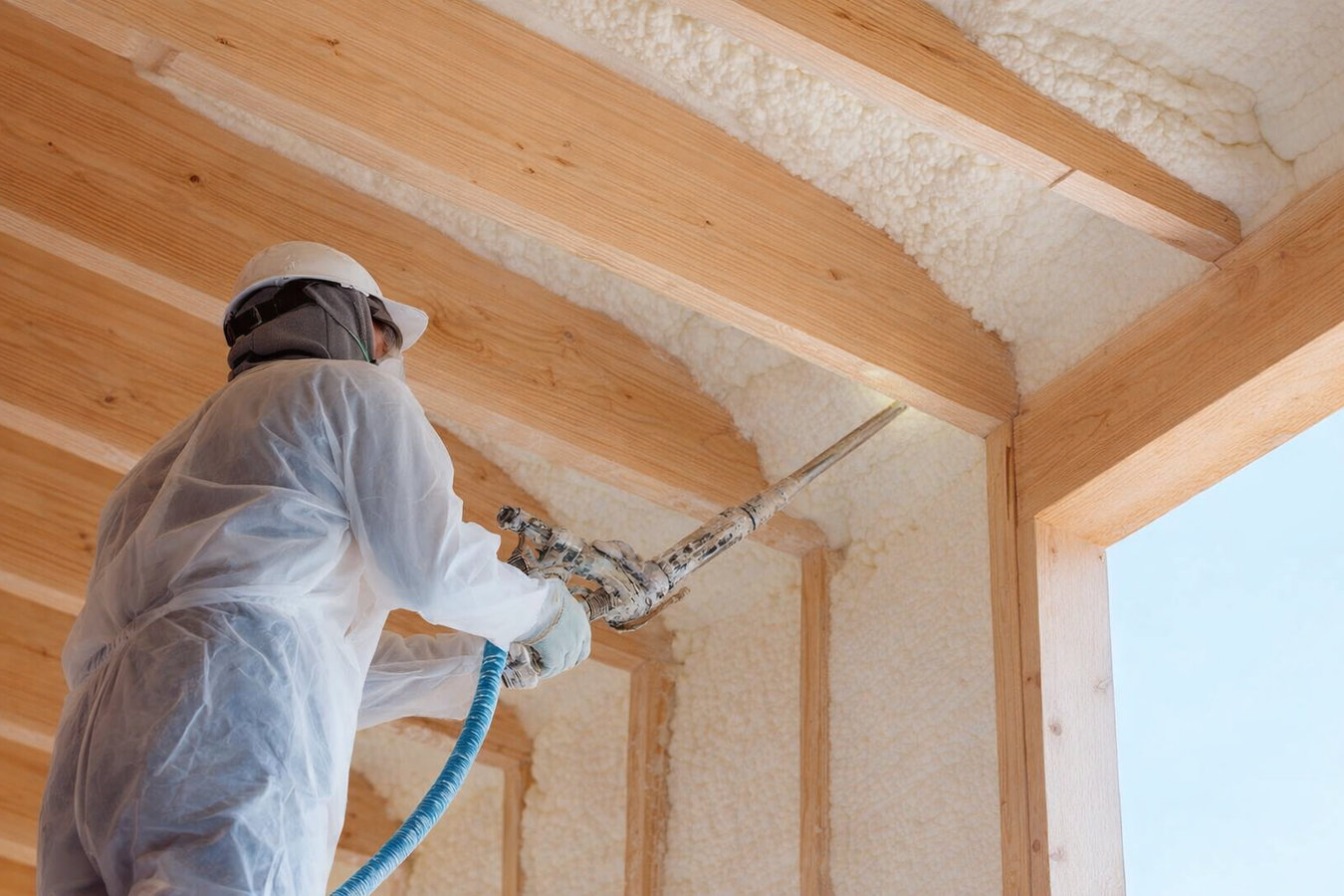
Moline Insulation is an insulation contractor serving Colona, IL with spray foam insulation, attic upgrades, crawl space vapor barriers, and air sealing for postwar ranch and two-story homes near the Rock River. We answer within 1 business day and provide free written estimates before any work begins.
Colona homes near the Rock River deal with clay soil that shifts with moisture, gradually opening gaps in foundation walls and crawl space perimeters. Our spray foam insulation bonds directly to concrete and framing, sealing those gaps while delivering a thermal barrier that loose-fill and batt products cannot match at the rim joist and foundation perimeter.
Many Colona homes were built in the 1940s through 1970s, when attic insulation standards were far below today's Zone 5 recommendations of R-38 to R-60. Decades of settling have made those original fiberglass batts even less effective, and a proper attic insulation upgrade is the single best investment most Colona homeowners can make for year-round comfort and utility bills.
Low-lying properties in Colona near the Rock River see elevated groundwater in spring, and clay-heavy soil keeps that moisture near the surface for weeks after rain. Crawl spaces under these homes are prone to high humidity, wood rot in floor joists, and cold floors in winter - all problems that proper crawl space insulation and encapsulation address directly.
For Colona attics with irregular framing, cross-bracing, and the kind of tight corners common in postwar construction, blown-in insulation covers the full floor area evenly without leaving gaps around joists or blocking. It is the fastest and most complete way to bring attic depth up to current standards in the older homes that make up most of Colona's housing stock.
Spring flooding and high groundwater are recurring realities for homes in the lower-lying streets of Colona. A vapor barrier installed in the crawl space or basement stops ground moisture before it reaches the framing and insulation above, protecting the structure and eliminating the musty smell that many Colona homeowners accept as normal in spring.
Older Colona homes develop air leaks around top plates, plumbing penetrations, attic hatches, and electrical boxes as the structure settles over decades. Air sealing those gaps before adding new insulation is the step most contractors skip, but it is what makes the difference between an insulation upgrade that performs and one that underdelivers on the utility savings a homeowner expects.
Colona is a small city of about 5,100 people in Henry County, sitting along the Rock River near where it flows toward the Mississippi River corridor. Most of its homes were built between the 1940s and 1970s - a period when insulation was minimal by today's standards. The combination of older construction, Zone 5 winters with frost depths of 24 to 36 inches, and the proximity to two rivers creates a set of challenges that requires a contractor who understands how this area's climate and soil conditions interact with the building stock here.
Clay-heavy soil throughout the Colona area expands and contracts with seasonal moisture, gradually opening cracks in foundation walls and crawl space perimeters. Parts of Colona near the Rock River also see elevated groundwater and occasional flooding in spring, which means moisture management is not just a comfort issue - it is a structural concern. An insulation contractor working in Colona needs to treat air sealing, vapor control, and thermal insulation as a connected system, not three separate jobs, because the local soil and hydrology make all three interdependent.
Our crew works throughout Colona regularly, and we understand the local conditions that affect insulation work here. Colona is primarily a neighborhood community with streets of ranch homes and modest two-story houses built in the postwar decades - the same era and building types we work on every week across the Quad Cities region. We know what to expect when we open an attic hatch or crawl space access in a Colona home: compressed original fiberglass, uninsulated rim joists, and crawl spaces dealing with the moisture that comes with clay-heavy river bottomland soil.
The Rock River runs along the city's edge, and the streets closest to it are the ones most affected by high water tables and spring flooding. We know which neighborhoods sit lower and plan our crawl space and basement work with that moisture profile in mind. The City of Colona handles local permits and utility coordination, and we are familiar with the process for projects that require a permit review in this municipality.
Colona sits close to East Moline along the riverfront corridor, and we serve East Moline as part of the same service area. Residents in both communities share the same mid-century housing stock and the same river-corridor moisture challenges. We also regularly work in nearby Silvis, which borders Colona and has a similar mix of older ranch homes on flat lots close to the Rock River.
Reach us by phone or through the contact form and describe what you are noticing - high bills, cold rooms, crawl space moisture, or a general interest in upgrading. We respond to all Colona inquiries within 1 business day.
We visit your Colona home, check the attic depth, inspect the crawl space or basement, and identify where air and moisture are getting in. The assessment is free and comes with a written estimate - no cost, no pressure to move forward.
Once you approve the written estimate, we schedule a date that works for your household. Most Colona jobs are completed in one day by a two-person crew, and you do not need to take time off work for most attic or crawl space jobs.
When the work is complete, we walk through what was done and document the finished installation. If you plan to apply for an Ameren Illinois rebate or a federal energy efficiency tax credit, we give you the paperwork you need before we leave.
We serve Colona and surrounding Rock River area communities. Free estimates, no pressure, written quote before any work begins.
(309) 581-0445Colona is a small city of about 5,100 residents in Henry County, Illinois, sitting along the Rock River near the confluence with the Mississippi River corridor. It is part of the Quad Cities metro area, with Moline and Rock Island just across the river to the east. The housing stock in Colona reflects the city's postwar growth - streets of single-story ranch homes and modest two-story houses, mostly built between the 1940s and 1970s, with a mix of brick fronts, vinyl siding, and original wood-frame construction. The city has a strong owner-occupancy rate, meaning most residents are invested in long-term upkeep, and the homes here reflect that - well-kept but aging, and increasingly due for insulation and air sealing upgrades. Colona City Park is one of the familiar local gathering points that anchors the residential neighborhoods around it. For more background on the community, the Wikipedia article on Colona, Illinois covers the city's history and geography.
The neighborhoods closest to the Rock River tend to be the oldest part of town, with smaller lots and homes that date to the early postwar era or even earlier. Farther from the river, the streets follow a more conventional suburban grid from the 1960s and 1970s. The residential character throughout is consistent - quiet streets, single-family homes, neighbors who have lived here for years. Nearby Coal Valley to the south has a similar housing profile, and many residents in both communities work in Moline or Rock Island and have the same priorities around home maintenance and energy costs. Carbon Cliff borders Colona on the north side, and we serve both Carbon Cliff and Colona as part of the same regular service area.
High-density foam that also acts as a moisture and vapor barrier.
Learn MoreFlexible, lightweight foam ideal for interior walls and soundproofing.
Learn MoreEnergy-efficient insulation solutions for commercial buildings of any size.
Learn MoreControls moisture migration through walls, floors, and ceilings.
Learn MoreWe serve Colona, IL and the surrounding Rock River communities. Call now or submit the form and we will respond within 1 business day.